Dental Bonding: An Effective Way to Improve Your Smile
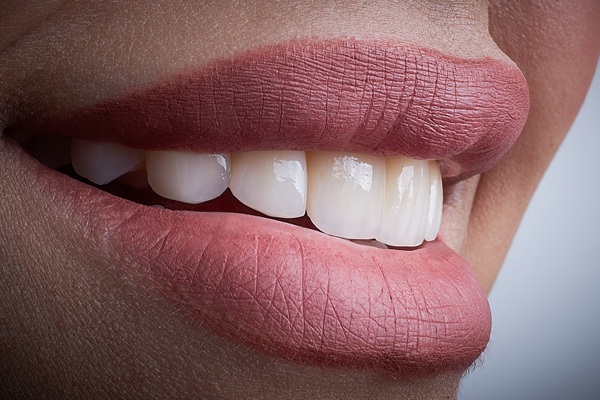
Dental bonding is a fast, cost-effective way to correct small flaws and elevate a smile without extensive procedures. This treatment uses tooth-colored resin that the dentist sculpts directly on the tooth in one visit, preserving healthy enamel and delivering an immediate boost in confidence. Fixing small chips, closing minor gaps, and softening uneven edges are just some of the most common uses. Learning more about how dental bonding can improve a smile is the first step to understanding when it is the right option.
What dental bonding does
Bonding adds a thin, durable layer where a tooth needs a little help. The general, cosmetic, or family dentist selects a shade that matches nearby enamel, gently prepares the surface for grip, then shapes the composite resin material so light reflects like a natural tooth. They use a curing light to harden the resin in seconds. The final step is to carefully polish it so it blends with the the tooth and smile as a whole.
Note that since dental bonding happens right in the chair, changes to shape, length, and symmetry feel precise and personal without the need for multiple appointments.
When bonding makes the most sense
For teens and adults seeking an effective yet noninvasive upgrade, bonding can deliver exceptional results. However, this treatment is most effective for small to moderate cosmetic concerns. A tiny chip on a front tooth, a narrow space that catches the eye, or a worn corner that makes the smile look uneven are all ideal targets. Stubborn spots that do not lighten evenly with bleach-based teeth whitening can also disappear under a thin, color-matched bonding layer.
Benefits you can see and feel
Patients often prefer dental bonding for its efficiency and aesthetic appeal. Other benefits include:
- Can provide immediate results in a single appointment
- Conservative enamel preservation that supports long-term tooth health
- Easy repair and touch-ups keep maintenance simple, such as if a small edge chips later
Moreover, a general, cosmetic, or family dentist manipulates dental bonding until it looks completely natural. For instance, natural teeth show subtle details: a hint of translucency at the edges, gentle surface texture, and a shine that changes with lighting. A dentist recreates those cues with bonding. They use layered placement to mimic depth, as well as texturing and polishing to help the material align with neighboring teeth so that the eye sees a unified smile, not a repair.
Who benefits most
Healthy gums and a stable bite set the stage for successful dental bonding. Small chips from everyday wear, light edge erosion, and tiny black triangles next to the gums respond especially well to treatment. Patients who clench or grind can still choose bonding, although they should wear a custom night guard to protect the bonded teeth from damage.
There are some cases when another treatment may be a better option. When cracks run deep or corners break repeatedly, a porcelain veneer or crown may restore the tooth more effectively. A general, cosmetic, or family dentist will perform a dental exam to determine which restoration would be best.
See if dental bonding is right for you
Dental bonding can enhance smiles with a wide range of cosmetic imperfections. For a personalized assessment, shade match, and clear plan that fits your schedule and budget, schedule a consultation with Molar Bear Dental today. We help patients in Wellington improve their smiles in a way that looks and feels natural.
Request an appointment here: https://www.molarbearcare.com or call Molar Bear Dental at (561) 721-2688 for an appointment in our Wellington office.
Check out what others are saying about our dental services on Yelp: Dental Bonding in Wellington, FL.
Related Posts
Many people are nervous about getting dental work done, but one way that dentists can reduce these fears is by using nitrous oxide dental sedation. Many have never experienced this type of sedation, so they may not know what to expect before their appointment or after completion. Read on to learn more about nitrous oxide…
Patients comparing implant crowns and traditional crowns often want a clear, practical explanation. Implant-supported crowns replace a missing tooth by attaching to a dental implant, which functions as an artificial tooth root placed in the jawbone. Traditional crowns cover and reinforce an existing natural tooth after decay, fracture, or a large filling. Both restore shape,…
Dental fillings protect teeth affected by cavities or minor damage, but they do not last forever. Over time, normal chewing forces, temperature changes, and everyday wear can affect even well-placed restorations. Visiting a general dentist can help identify the early signs of a failing filling, allowing treatment before a small problem develops into a larger…
Dental cleanings are an essential part of maintaining good oral health. However, there are other actions patients can take to maintain a healthy smile in between these visits. Brushing and flossing are a foundation of oral hygiene but are just a start. The following simple and practical tips can make for a healthier, more beautiful…