How To Care for Your Teeth Between Dental Cleanings
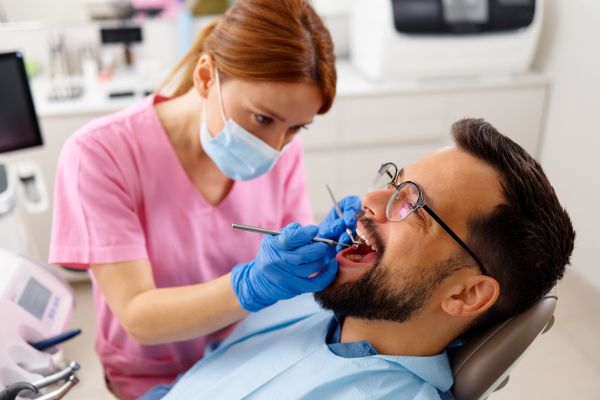
Dental cleanings are an essential part of maintaining good oral health. However, there are other actions patients can take to maintain a healthy smile in between these visits. Brushing and flossing are a foundation of oral hygiene but are just a start. The following simple and practical tips can make for a healthier, more beautiful smile every month of the year.
Tips for maintaining healthy teeth between dental cleanings
A solid daily oral hygiene routine forms the foundation for keeping teeth clean and gums healthy, but additional steps can help enhance those efforts. Here are five tips to bolster oral health in between dental cleanings:
Drink water instead of soft drinks
Reducing or eliminating soda consumption helps protect both tooth enamel and overall oral health. Soft drinks contain acids and sugars that can erode enamel and encourage the growth of harmful bacteria. As a result, individuals who consume a lot of sugary sodas are at an increased risk of tooth decay.
In contrast, water helps neutralize acids, wash away food particles, and promote a balanced oral environment. Choosing water instead of sugary or acidic beverages supports healthier teeth. It also helps prevent dry mouth, a common contributor to chronic bad breath (halitosis) and bacterial growth.
Consider using mouthwash
Mouthwash is not a requirement in everyday oral hygiene. However, incorporating it can add a layer of protection against bacteria and plaque buildup. Antibacterial rinses help reduce the presence of germs that cause gum inflammation and cavities, while fluoride-containing options strengthen the teeth and promote remineralization. Mouthwash can also reach areas that brushing and flossing may miss, such as around the back molars or the gum line. Using mouthwash consistently between dental cleanings helps create a cleaner and fresher mouth and supports a robust hygiene regimen.
Chew gum after a meal
Chewing sugar-free gum can aid in oral health by stimulating saliva production. Saliva helps rinse away food debris, neutralize acid, and deliver minerals that support enamel strength. Gum sweetened with xylitol offers additional benefits by helping to reduce cavity-causing bacteria. While not a replacement for brushing or flossing, chewing sugar-free gum after a meal can help protect teeth, particularly if a toothbrush is not readily available.
Adopt a more tooth-healthy diet
A nutrient-rich diet supports stronger teeth and healthier gums. Foods high in calcium, phosphorus, and vitamins A and C contribute to enamel repair, tissue strength, and immune function. Crunchy fruits and vegetables like apples, strawberries, carrots, and celery help naturally scrub tooth surfaces and stimulate gum tissue. Limiting sugary snacks and processed carbohydrates reduces the fuel available to bacteria, lowering the risk of plaque buildup and decay between dental cleanings.
Quit smoking and other tobacco use
According to the Centers for Disease Control and Prevention, tobacco use can stain the teeth and increase the risk of gum disease. Both smoking and smokeless tobacco (i.e., chewing) can lead to gum recession, bone loss, and delayed healing after dental procedures. Quitting tobacco improves not only oral health but also overall well-being. There are many resources available to support those looking to quit. Dentists can help guide patients toward healthier alternatives.
Get oral health tips tailored to your needs
From making tooth-healthy dietary choices to reducing harmful habits, there are many actions that you can take to protect your teeth against cavities, gum disease, and discoloration. Make sure to get a dental cleaning every six months to ensure optimal oral health. Contact our Wellington office for more information or to schedule your next appointment today.
Request an appointment here: https://www.molarbearcare.com or call Molar Bear Dental at (561) 721-2688 for an appointment in our Wellington office.
Check out what others are saying about our dental services on Yelp: Dental Cleaning and Examinations in Wellington, FL.
Related Posts
Dental fillings protect teeth affected by cavities or minor damage, but they do not last forever. Over time, normal chewing forces, temperature changes, and everyday wear can affect even well-placed restorations. Visiting a general dentist can help identify the early signs of a failing filling, allowing treatment before a small problem develops into a larger…
Persistent jaw discomfort often relates to the temporomandibular joint (TMJ), the hinge-like joint that connects the lower jaw to the skull. This vital joint facilitates the thousands of movements required for daily tasks such as eating, speaking, and yawning. When dysfunction occurs, the muscles and ligaments surrounding the joint become strained, leading to chronic tension…
Silver amalgam dental fillings have been used for decades as a reliable solution for restoring teeth affected by decay. These fillings are known for their durability and affordability, continuing to play a role in modern dentistry despite the growing popularity of tooth-colored alternatives. Understanding the pros, cons, and safety of silver amalgam fillings can help…
A dental filling is a simple yet essential solution for addressing cavities and restoring a tooth's natural structure. Treating decay early with a filling allows patients to preserve their teeth, avoid more extensive procedures, and maintain long-term oral health. This effective treatment not only repairs damage but also prevents further complications that could lead to…